London – Day 5 – The British Museum
Thursday, 29-Jan-2026
Tags: Travel
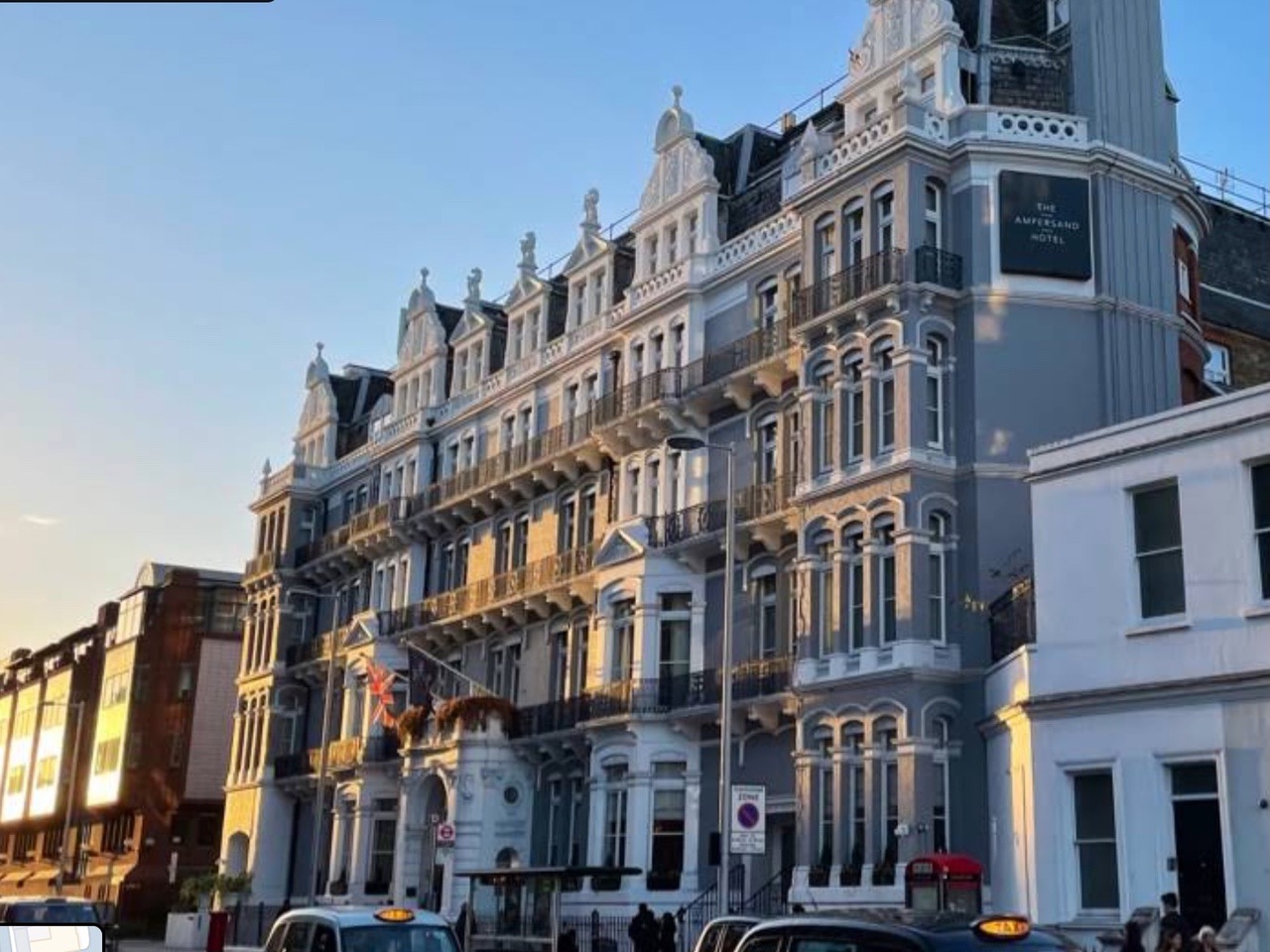
On Thursday, we checked out of The Stratford, and headed via the Elizabeth line to South Kensington to the Ampersand Hotel, literally feet from the station. The Ampersand is a delightful boutique hotel. We didn’t get to spend any time in their drawing room and library, or try their unique (and expensive) takes on high tea, but we enjoyed our two-night stay. Just a small thing, but all the food and drink in the room was complimentary :) Below is a picture of the hotel taken from the web
Picture of the hotel from the web
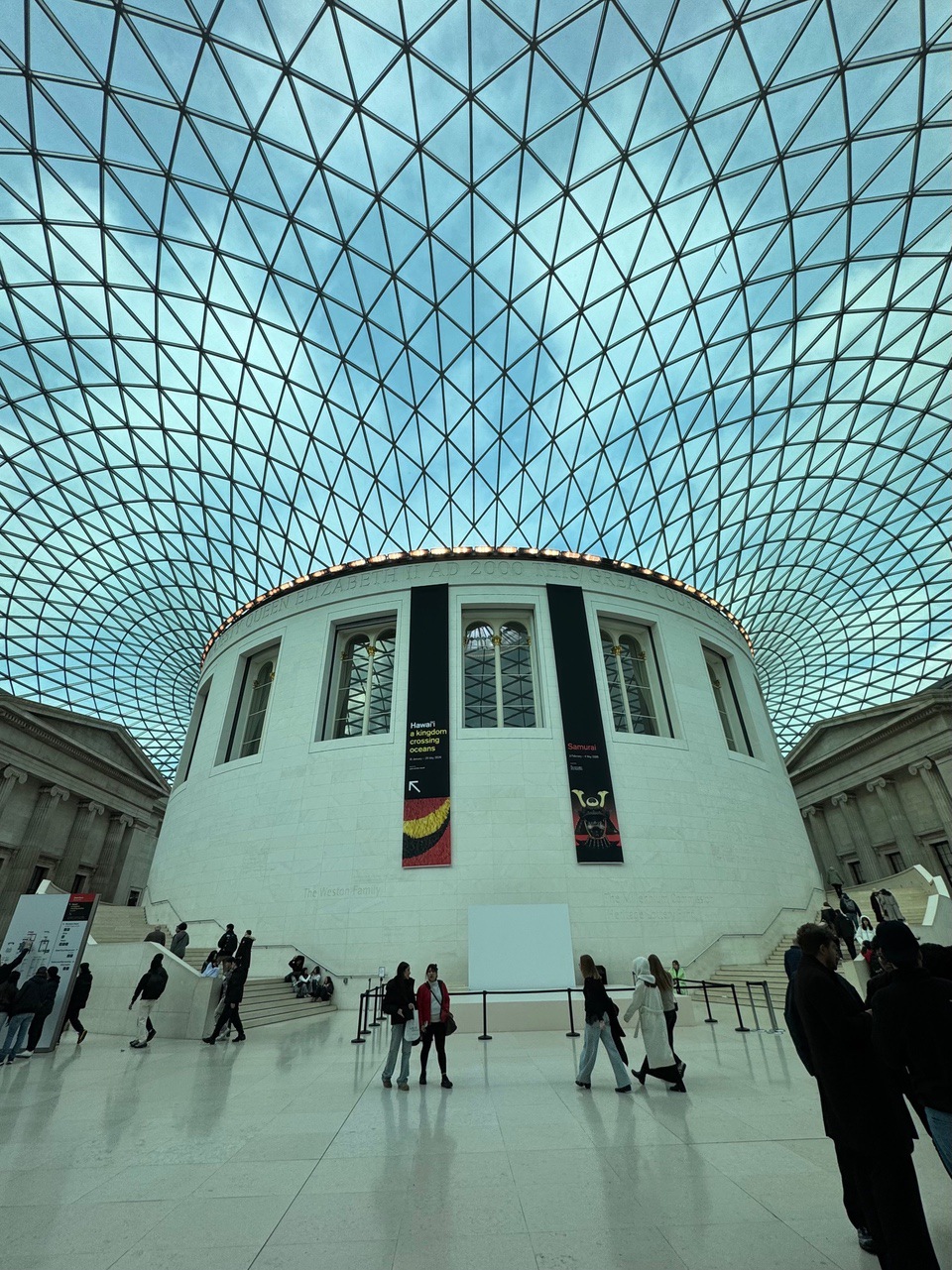
The goal for the day was the British Museum. Using their app, we used their “top 10” list as our objectives, a tour meant to have a taste of many cultures
Picture of the interior
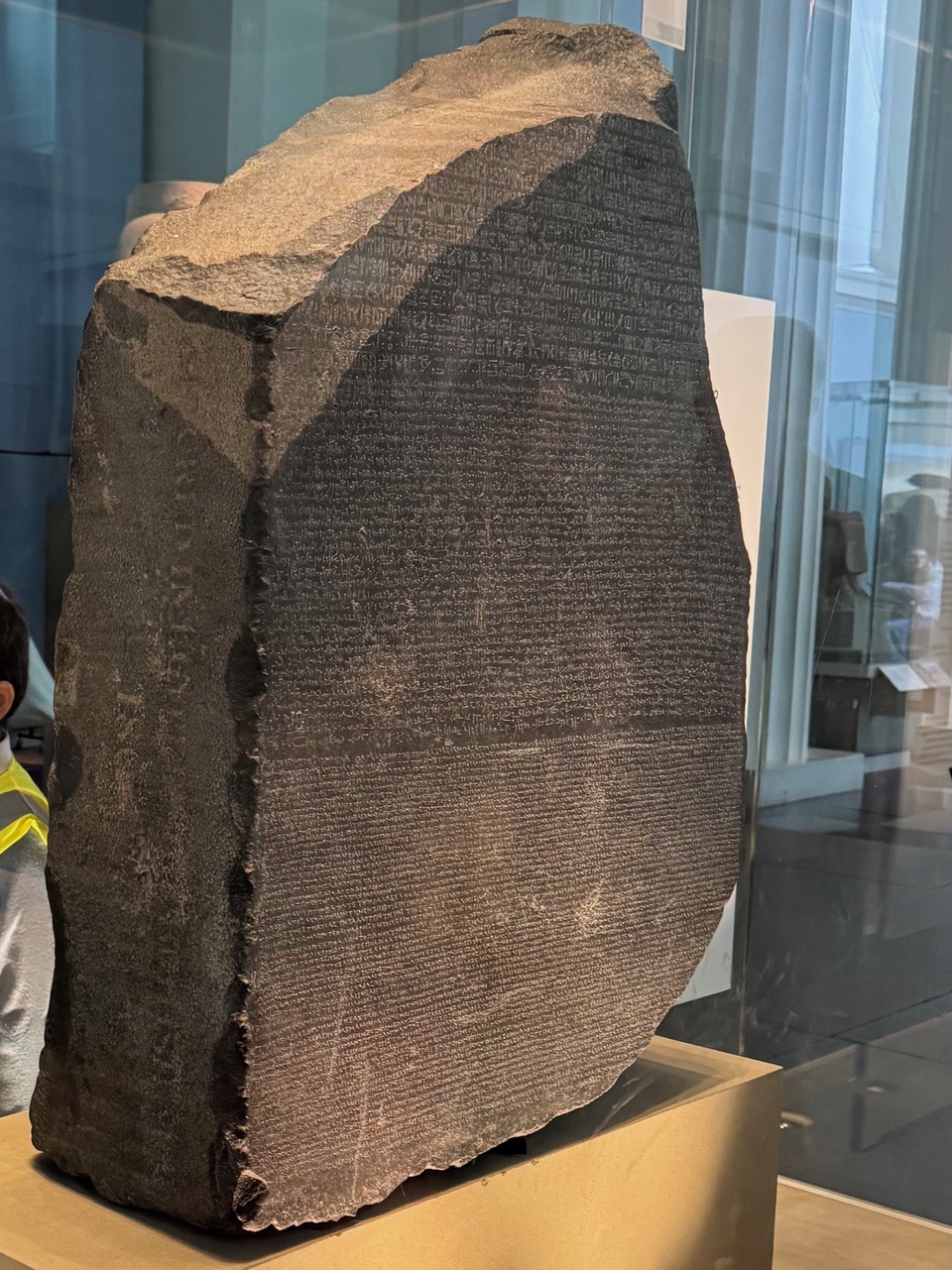
The Rosetta Stone — It is an inscribed stone with three bands — hieroglyphs, Greek, and Demoti (the everyday script used in ancient Egypt). European scholars could then decode the hieroglpyhs using the Greek inscription. They learned that the hieroglphs were not pictographs but more like letters of the alphabet or sounds.
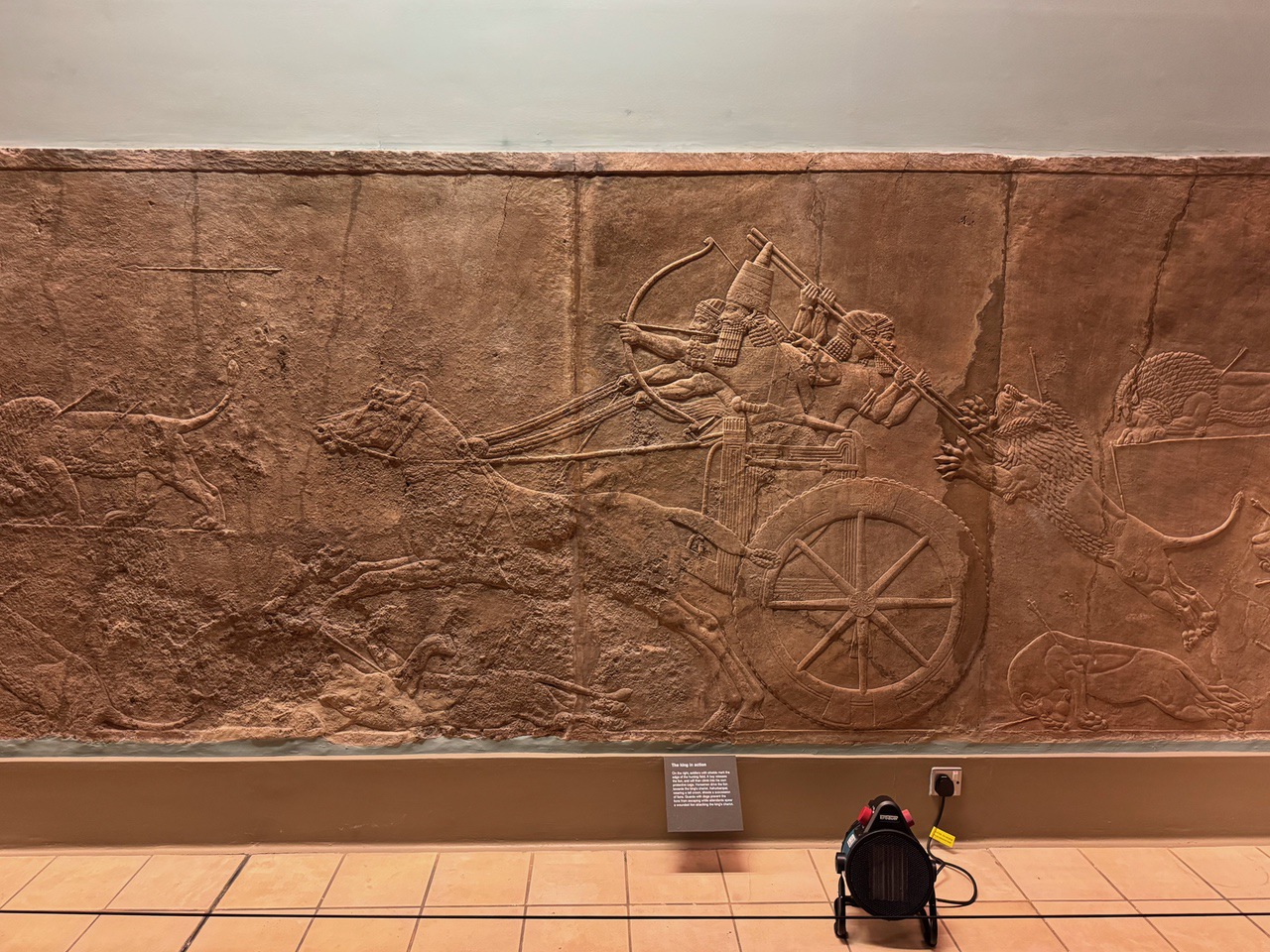
Relief of a Lion Hunt – The main panel is a scene of the a lion hunt by Assyrian king Ashurbanipal, who ruled in mid-7th century BCE. These staged hunts with caged lions released into the hunting field formed part of the festivities at the end of military campaigns, a ritual that reflected the king’s role as protector.
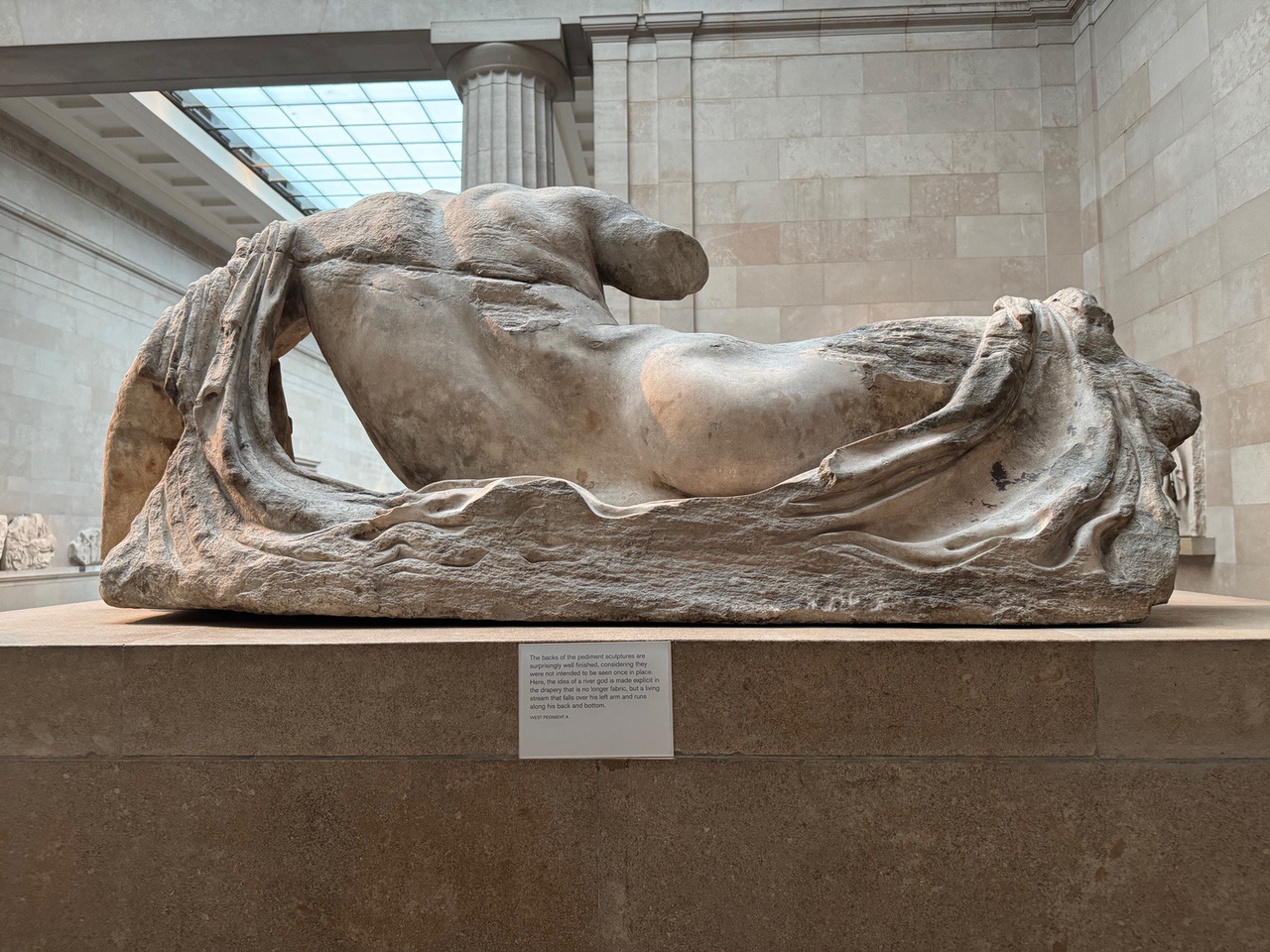
Sculpture of LLisosos in the Parthenon galleries – These statues are controversial as there is a campaign to have them returned to Greece. This sculpture from the west pediment is a youthful god reclining, perhaps portraying LLissos, one of the rivers of Athens.
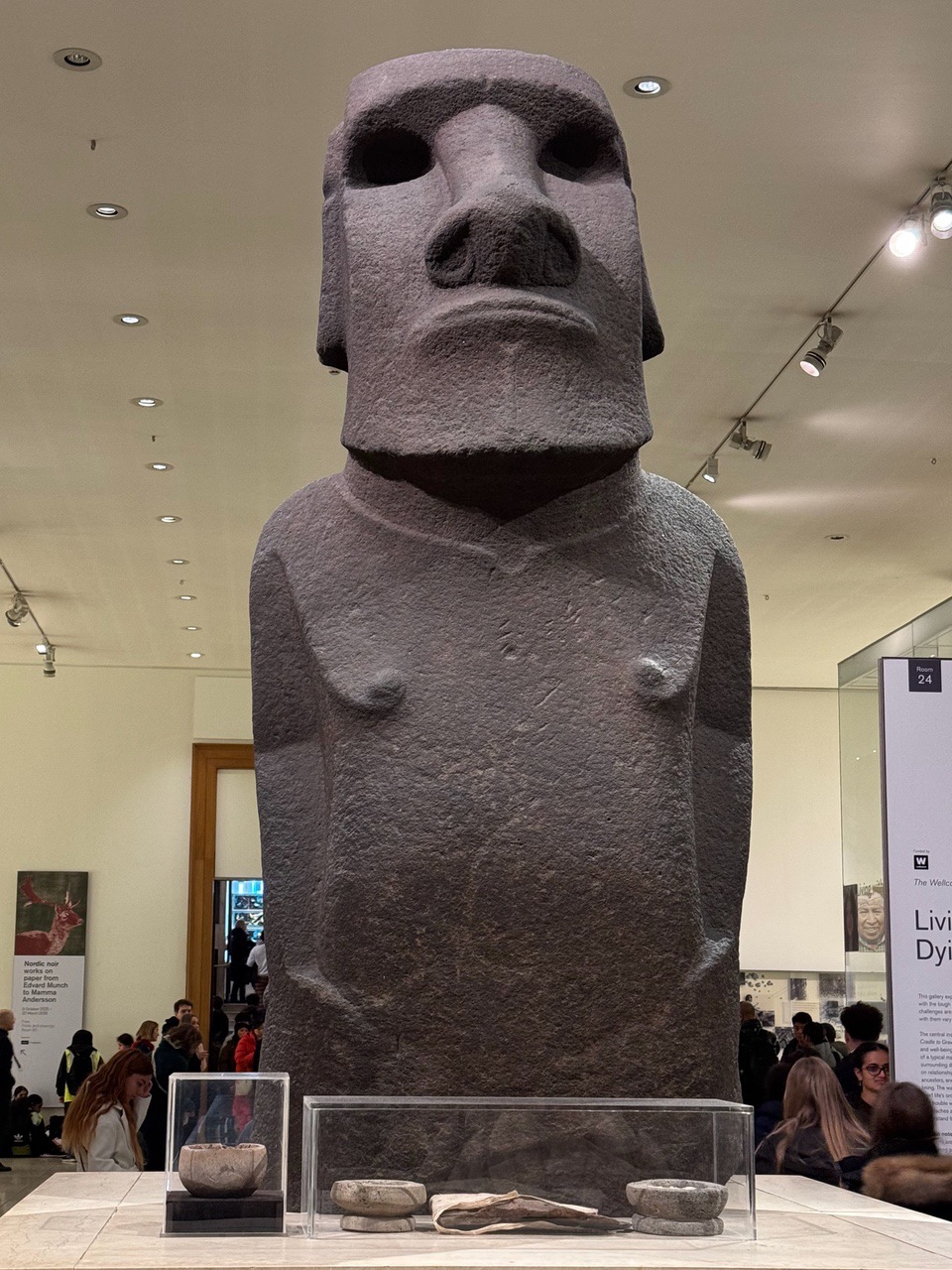
Hoa Hakananai’a from Easter Island (Rapa Nui), 1000-2000 CE – This “Moai” was brought from Rapa Nui by the crew of HMS Topaz in 1869. The moai were raised in honor of important deified ancestors and could embody their spirits. Carved from hard basalt, the carved bird heads and human/bird figures relate to the “birdman” ceremonies associated with fertility and access to resources. Many Rapanui would like their statue back, and the Museum is in discussion with them.
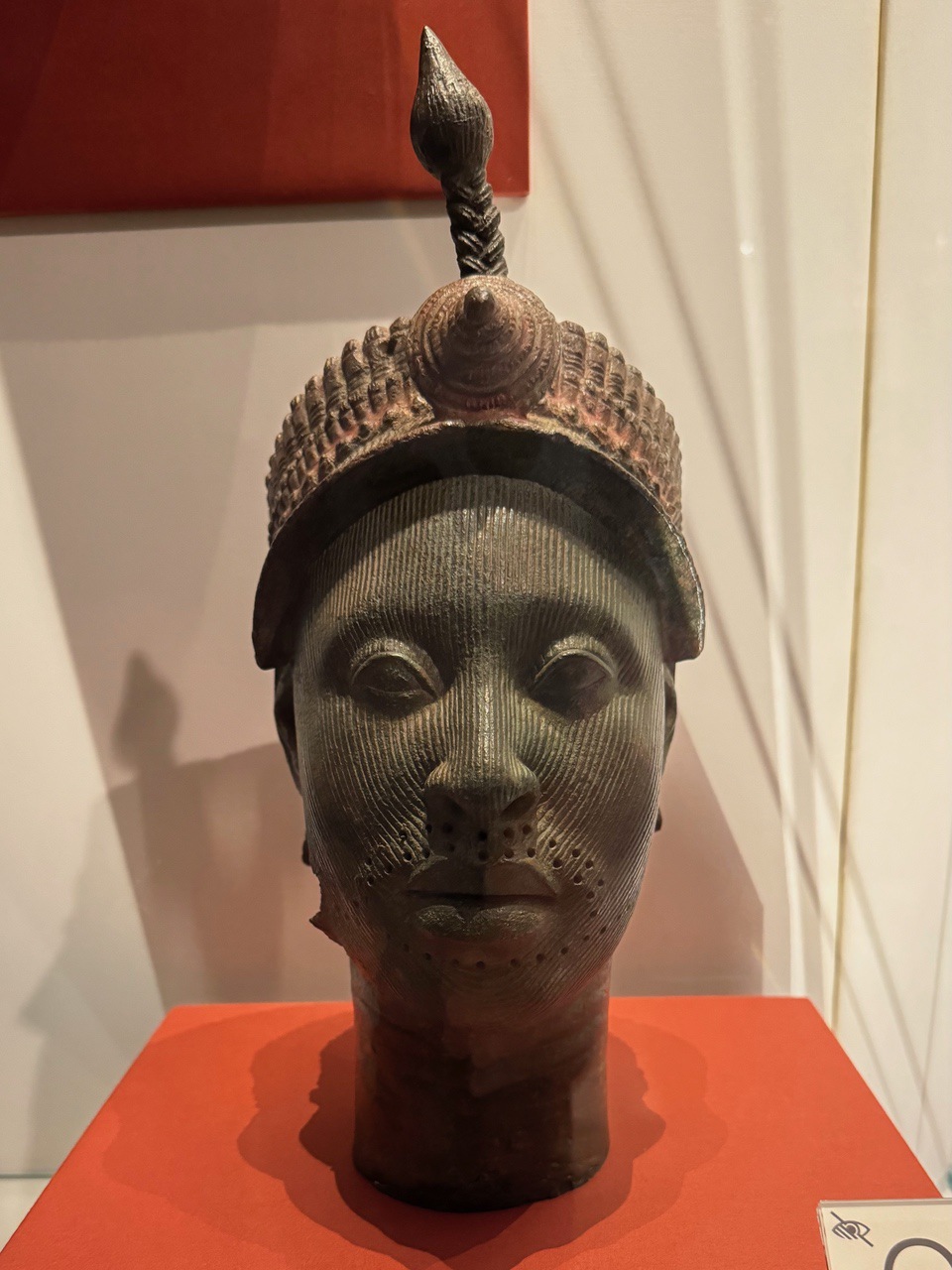
Head of a king (Ooni), Nigeria, brass, 14-15th century – discovered by accident in 1939.
Turquoise mosaic of a double-headed serpent, Mixtec-Axtec, AD 1400-1521 – Double-headed or paired serpents are an enduting theme in Mesoamerican mythology and religion. The mosaic is one of the few surviving examples of lapidary art, probably made by Mixtec artisans working for the Aztec Royal Court.
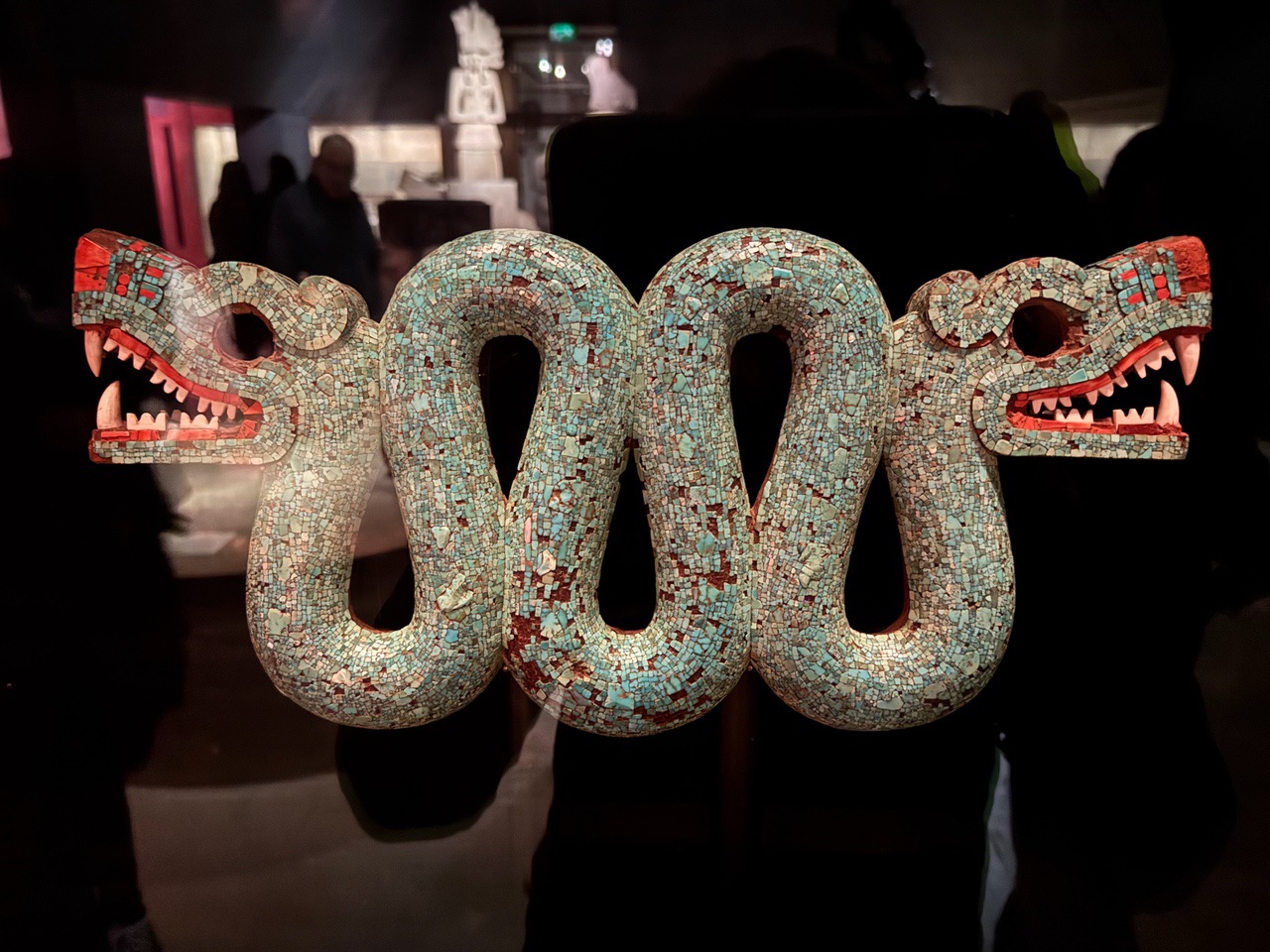
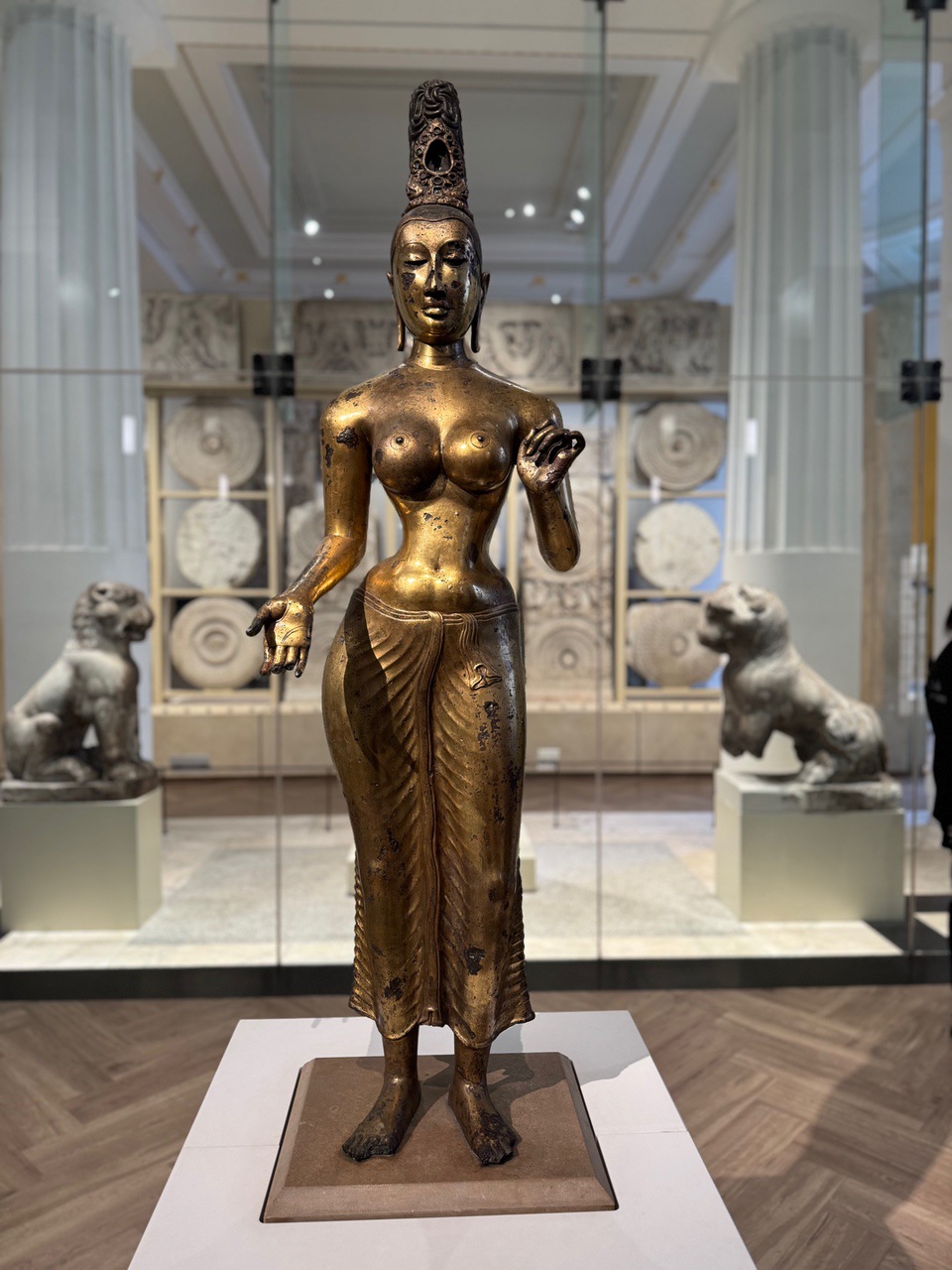
Image of Tara , Buddhist goddess of compassion, 700-800 CE, found in Sri Lanka – Unusually for such a large sculpture, this figure was cast in solid bronze, then gilded.
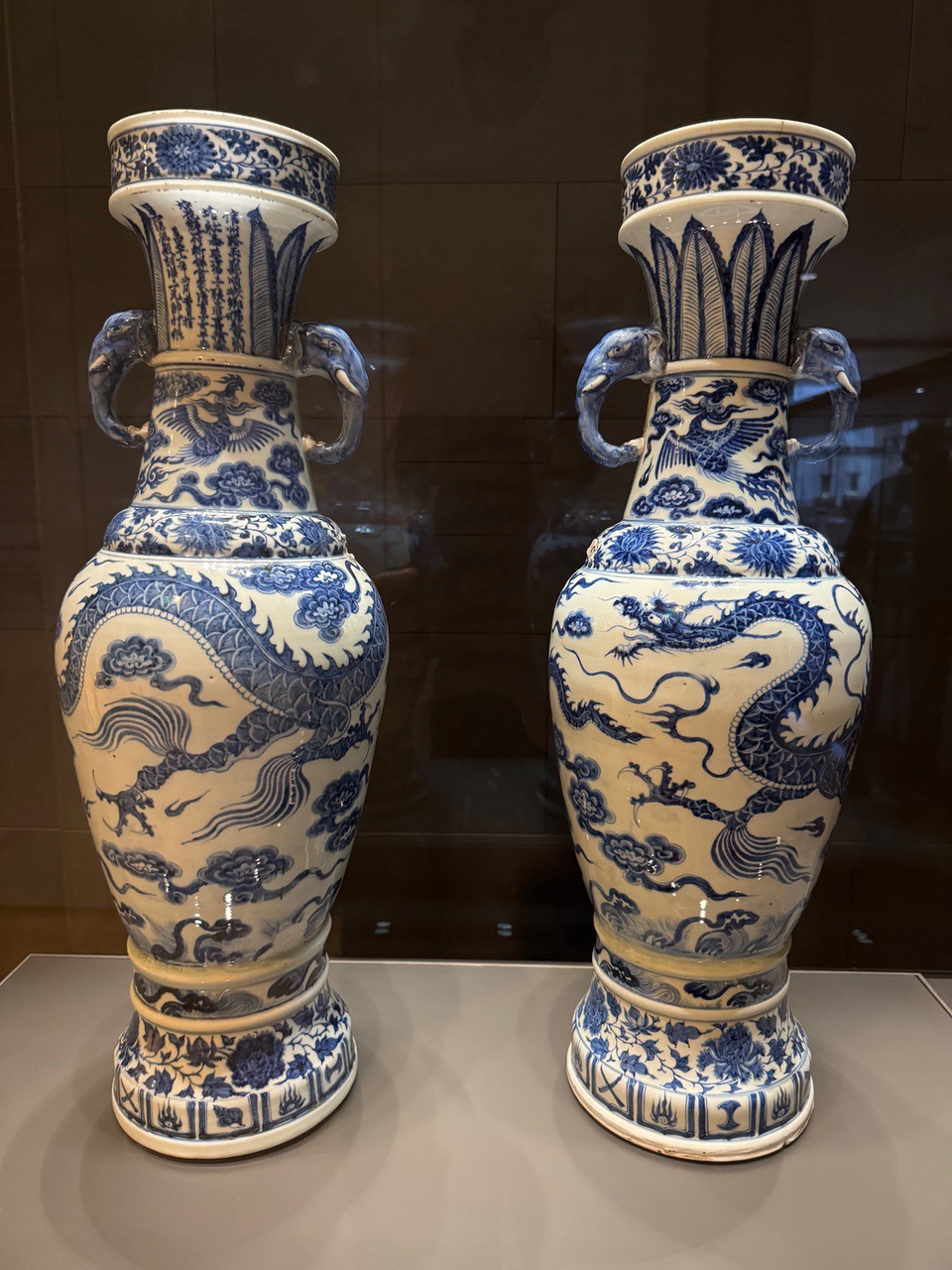
Sir Percival David pair of Chinese vases, 1351 CE – Sir Percival David (1892-1964) built the finest private collection of Chinese ceramics in the world. He came from the wealthy Sassoon banking family, based in Bombay (now Mumbai), India, and settled in London in 1913. These blue and white porcelains are the best-known in the world, and unique in that there is Chinese text that included the date.
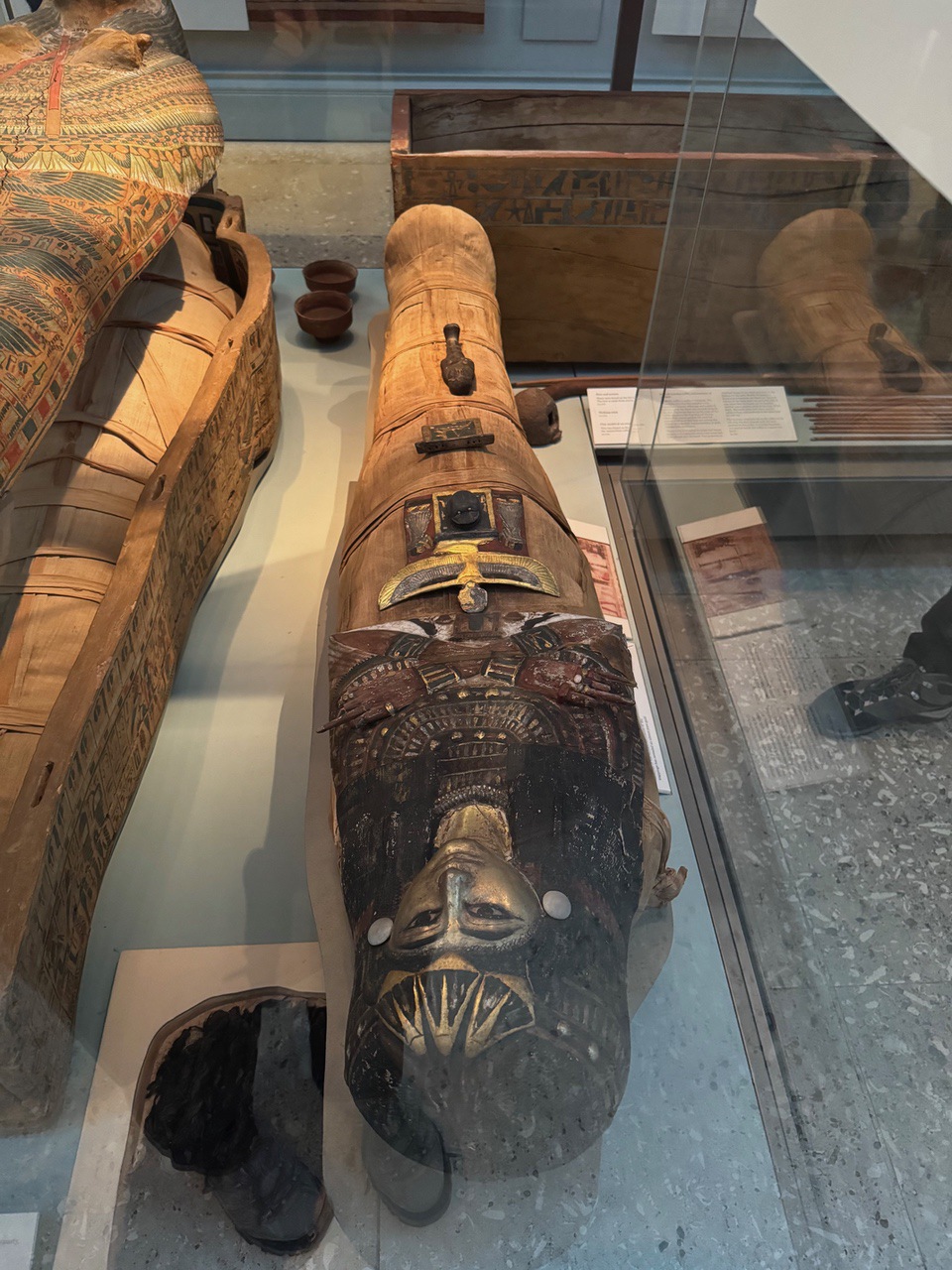
Mummy of Katebet, late 18th Dynasty, Thebes, c. 1300 BCE- on display since the 1830s. CAT scanning revealed that Katebet was elderly at death. The mummy was discovered in a tomb together with the mummy of a man names Qenna, possibly her husband
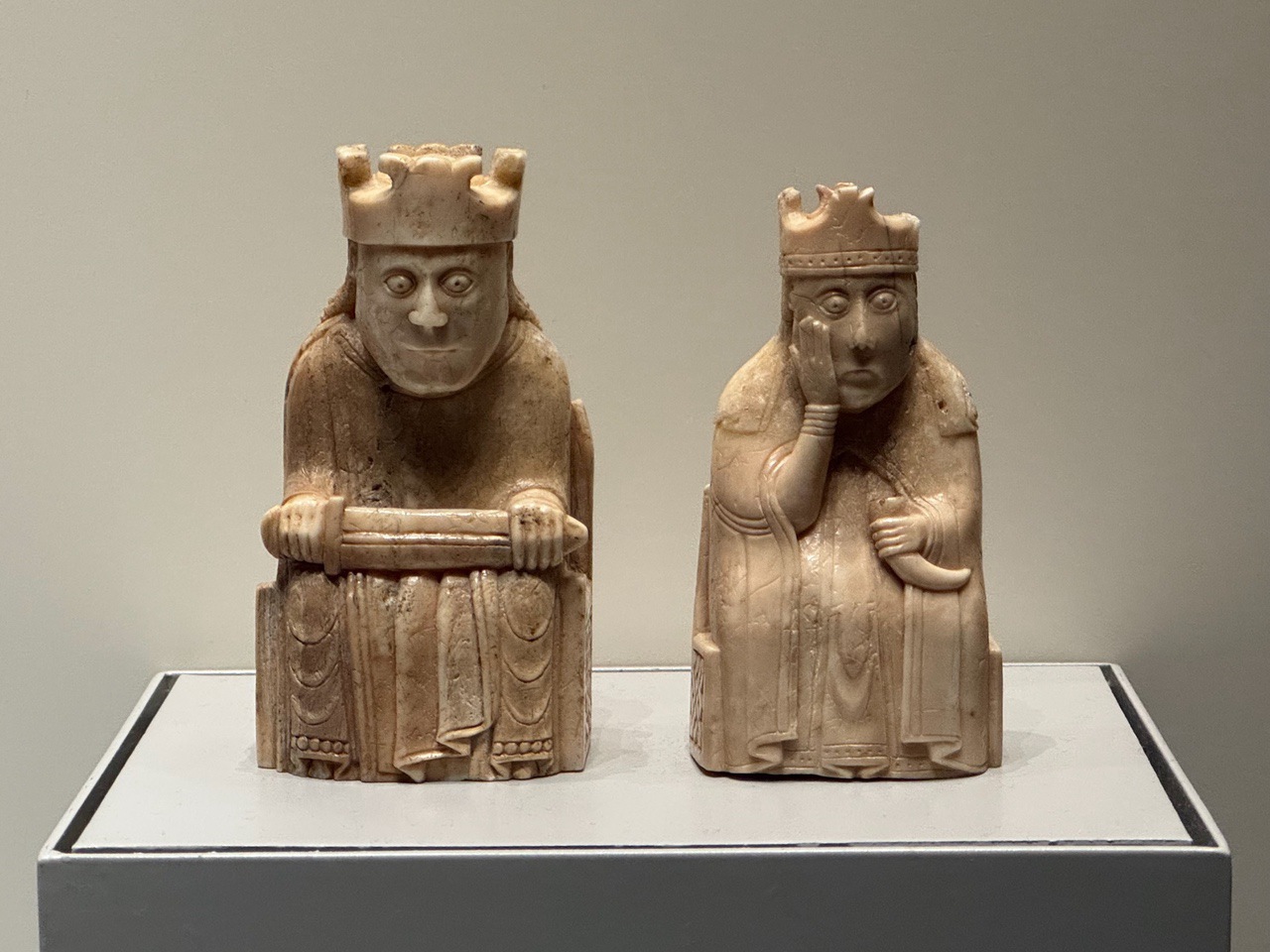
The Lewis Chessmen – In 1831, a hoard of medieval carved walrus ivory was discovered on the Isle of Lewis, Scotland. When found, some of the chessmen were stained red in contrast to the black and white familiar to the game today. They were probably made in the late 12th or early 13th century in Norway. There are over 60 pieces in the display. The picture is of a king and queen.
After the museum, we took the underground back to the hotel for a break. The plans for the evening were a pre-theatre dinner and a show. Dinner was at the Kitty Hawk Rooftop Bar and Restaurant, a two-course meal from a set menu. We had lamb croquettes each, and then filet of sea bass and fennel, and jerusalem artichoke risotto, and broccoli as a side dish.
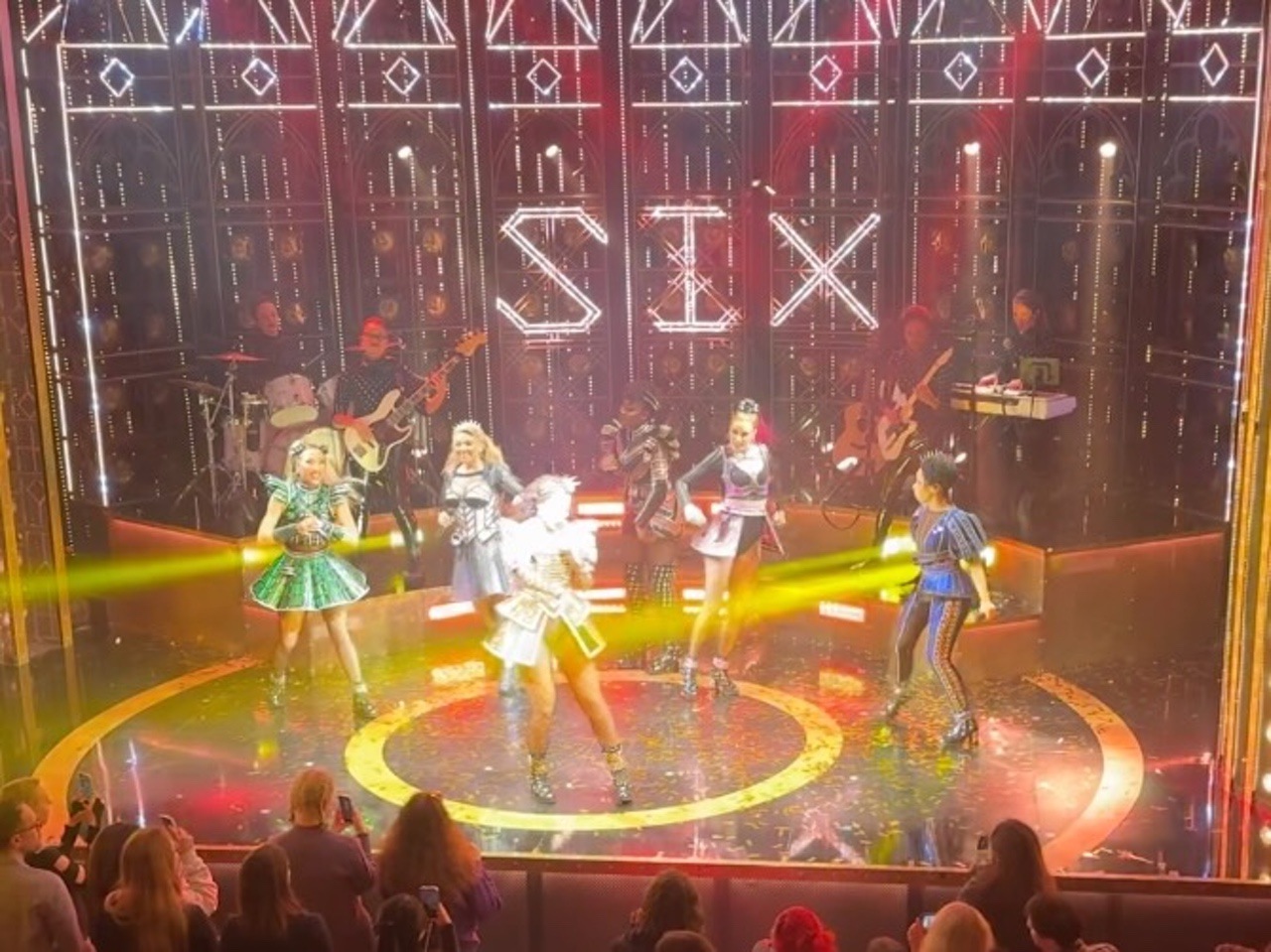
The show was “Six” at the Vaudeville – From their site: Divorced, beheaded, died, divorced, beheaded, survived. From Tudor Queens to Pop Icons, the SIX wives of Henry VIll take the microphone to reclaim their identities out of the shadow of their infamous spouse - remixing five hundred years of historical heartbreak into a Euphoric Celebration of 21st century girl power! The 90-minute non-stop show was a lot of fun, with a faux contest between the wives on who was the favorite, but ended up in agreement that they were themselves important.
Other posts that refer to this post:
--
Larry and Eileen Samberg